Brooklyn’s nature side: iconic parks and cultural discoveries
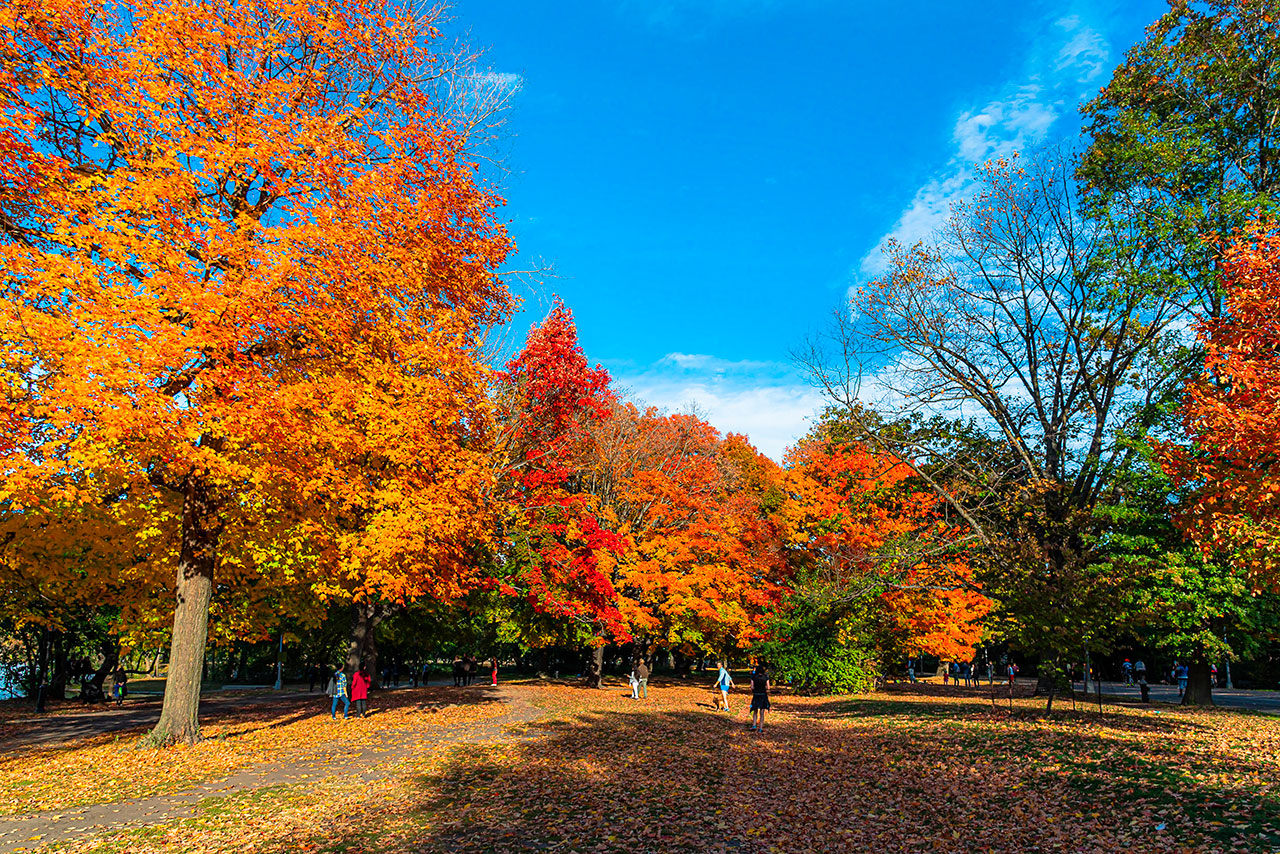
Brooklyn, this iconic borough of New York City, is often celebrated for its vibrant atmosphere, cultural diversity, and neighborhoods full of character. But beyond the brownstone-lined streets, trendy boutiques, and popular restaurants, it is the green spaces that play a fundamental role in the daily lives of residents and visitors. Brooklyn is not just an urban jungle; it is also a haven of greenery, where vast and varied parks offer natural escapes right in the heart of the city.
Brooklyn’s Iconic Parks
Prospect Park: Brooklyn’s natural gem
Designed by the renowned architects Frederick Law Olmsted and Calvert Vaux, who also created Central Park in Manhattan, Prospect Park is a true natural gem in the heart of Brooklyn. Spanning 526 acres, it is a must-visit location for Brooklyn residents and visitors looking for a moment of relaxation or adventure.
Prospect Park is distinguished by its natural diversity, which includes open meadows, dense forests, hills, and a beautiful 60-acre lake. The Long Meadow, the longest meadow in New York, is perfect for picnics, sports, and relaxation. The park is also a haven for birdwatching enthusiasts, especially around the Ravine Woods and Lullwater, where over 250 bird species have been recorded.
Beyond its varied landscapes, Prospect Park plays a central role in the cultural and sporting life of Brooklyn’s residents. Each summer, it hosts outdoor concerts and events, such as the free performances of the BRIC Celebrate Brooklyn! Festival. There are also numerous sports facilities, including the LeFrak Center, which offers ice skating in winter and roller skating in summer.
Brooklyn Bridge Park: a stunning view of Manhattan
Located along the East River, between the neighborhoods of Dumbo and Brooklyn Heights, Brooklyn Bridge Park is a modern and bold green space that redefines the use of Brooklyn’s former industrial docks. Inaugurated in the 2000s, this linear park offers spectacular views of Manhattan’s skyscrapers, the Statue of Liberty, and, of course, the Brooklyn Bridge.
This park is a perfect example of how a space once reserved for industry can be transformed into a dynamic and verdant public area. The restored piers are now gardens, promenades, and playgrounds. Pier 6 is especially popular for its innovative playgrounds for children, while Pier 1 offers vast lawns and spaces to relax while admiring the sunset over Manhattan.
But Brooklyn Bridge Park is not just about impressive views; it also offers a wide variety of activities. Free kayaking on the East River is one of the most popular activities, and sports enthusiasts can enjoy volleyball courts, tennis courts, and lawns for frisbee or outdoor yoga. In summer, the park also hosts the Movies With a View series, outdoor film screenings that draw thousands of spectators each week.
McCarren Park: a meeting point for Williamsburg and Greenpoint
Between the neighborhoods of Williamsburg and Greenpoint, McCarren Park is a park that reflects the energy of Brooklyn’s trendy young residents. Less touristy than Prospect Park or Brooklyn Bridge Park, McCarren is a true gathering place for the local community. It is popular among sports enthusiasts, with numerous basketball, baseball, and soccer fields, as well as running tracks.
However, McCarren Park is not just for athletes. It also hosts cultural events and festivals, as well as the McCarren Park Pool, a popular swimming area that becomes an outdoor concert venue during the summer months.
This park also reflects the rapid evolution of Williamsburg and Greenpoint, which have seen their populations grow and diversify over the years. McCarren Park is a space where families, young professionals, and artists cross paths, making it a lively and vibrant park at any time of day.
Fort Greene Park: a rich historical past
For an immersion in Brooklyn’s history, Fort Greene Park is an essential destination. This park is one of the oldest in Brooklyn and holds great historical significance. Designed by Olmsted and Vaux after the American Revolutionary War, it houses the Prison Ship Martyrs’ Monument, which honors the thousands of soldiers who died on British prison ships during the war.
Today, Fort Greene Park is a meeting place for residents of the Fort Greene and Clinton Hill neighborhoods. The park has recreational facilities, such as tennis courts, basketball courts, and playgrounds for children. It also hosts community events, such as farmers’ markets and art festivals. The park is also an ideal place to enjoy a beautiful day, with shaded hills, green meadows, and quiet paths.
Unique activities and attractions in Brooklyn’s parks
Brooklyn’s parks offer a variety of attractions where nature and culture come together to provide visitors with a range of activities. Whether you’re a sports enthusiast, a culture lover, or simply looking for a place to relax, Brooklyn’s parks have something for everyone.
Sports activities: opportunities for all
Brooklyn’s parks offer a wide range of sports activities that attract fitness enthusiasts and families with children alike. Prospect Park, for example, is a hub for jogging, with its 5-kilometer circular trail winding through the park. Cyclists are also well catered for, with well-maintained bike paths, and the park is a great place for football, frisbee, or a leisurely walk.
McCarren Park is another favorite for sports enthusiasts, with its numerous sports fields. The basketball and football courts are especially popular, and locals flock here for pick-up games or organized events. For those seeking more relaxed activities, the McCarren Park Pool is the perfect place to cool off in summer. Transformed into an outdoor concert venue in the evening, it adds a unique touch to the local cultural landscape.
The LeFrak Center at Prospect Park is a facility that attracts skating enthusiasts, with an ice rink in winter and a roller skating rink in summer. This space allows families to spend enjoyable moments while taking in the surrounding natural beauty.
Specific attractions: nature, culture, and relaxation
Brooklyn’s parks are not just green spaces; they are also cultural hubs. Brooklyn Bridge Park, in particular, stands out for its range of activities. Free kayaking on the East River is a unique experience, offering a different perspective on New York City, with the Manhattan skyline as a backdrop. This activity is popular with families, couples, and even locals looking for a moment of aquatic escape.
Every summer, the park also hosts outdoor film screenings with the Movies With a View series, allowing visitors to enjoy cinema outdoors in one of the most picturesque settings in the city. The event has become a weekly must-attend for movie lovers, drawing thousands of spectators.
In Fort Greene Park, in addition to its historical attractions, community events are at the heart of park life. Farmers’ markets are held regularly, and the park often hosts art festivals showcasing local talent.
Local culture and History through the parks
Brooklyn’s parks are not only spaces for recreation and relaxation; they are also time capsules that tell the story of this ever-evolving borough. Each park bears the marks of the past while reflecting the cultural diversity of the current population. They are living witnesses to the transformations Brooklyn has undergone over the centuries, while today hosting events and festivals that celebrate the borough’s rich cultural diversity.
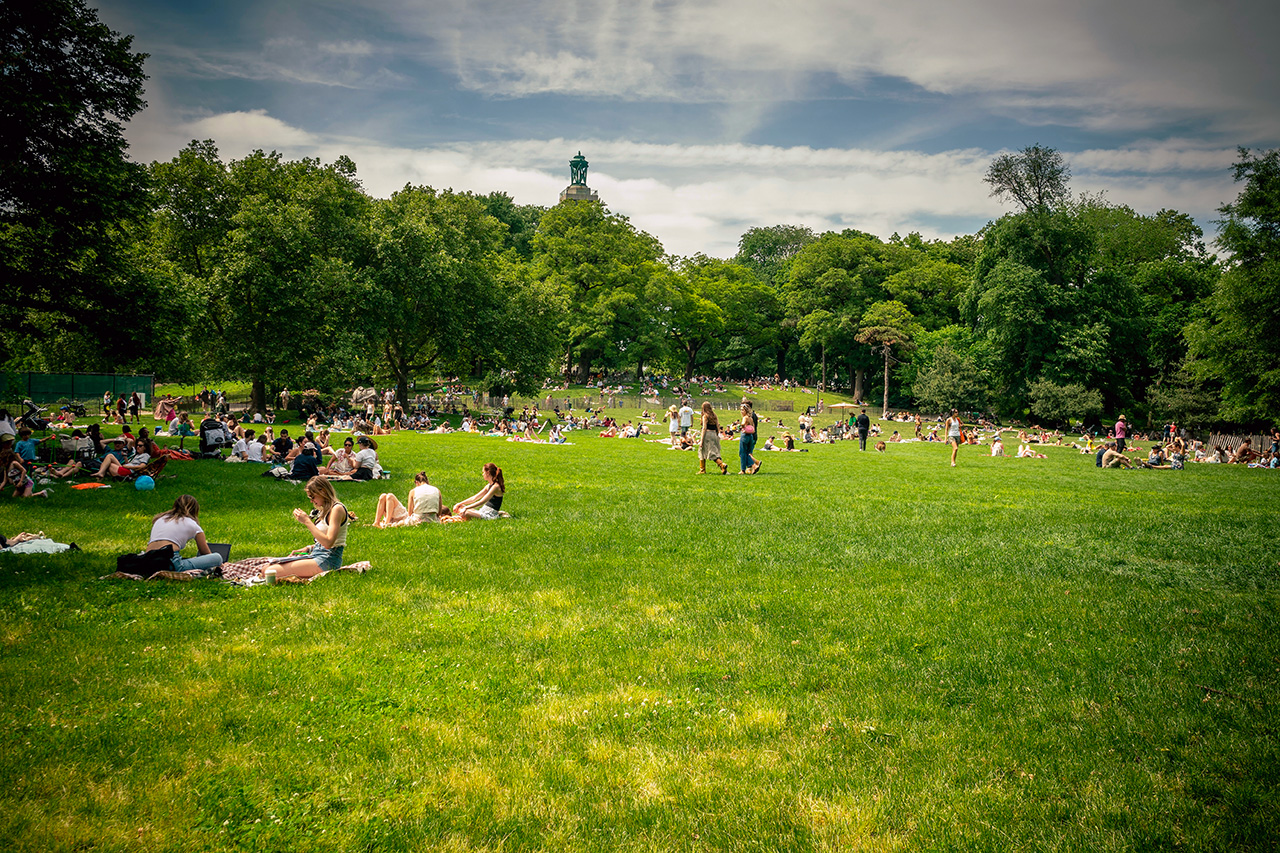
Fort Greene Park: a historic and Memorial Site
Among all of Brooklyn’s parks, Fort Greene Park undoubtedly carries the heaviest historical burden. This park, one of the oldest in New York, played a key role during the American Revolutionary War. It is here that the Prison Ship Martyrs’ Monument stands, a towering 149-foot Doric column that honors the thousands of American soldiers who died in British prison ships during the war. This tragic history is commemorated each year with a ceremony attended by descendants of those soldiers and representatives of the U.S. Armed Forces.
The park itself is a testament to Brooklyn’s evolution since the late 18th century. Designed by Frederick Law Olmsted and Calvert Vaux, Fort Greene Park was envisioned at a time when Brooklyn was emerging as a major urban center. Today, it is a place where history and modernity intersect. Visitors can admire historical memorials while enjoying modern facilities such as tennis courts and playgrounds.
Prospect Park: a microcosm of Brooklyn’s diversity
Prospect Park was designed at a time when Brooklyn was a city in its own right, distinct from New York, with its own identity and aspirations. Olmsted and Vaux, the park’s architects, sought to create a space that reflected the diverse natural landscapes of the region while offering residents a place to gather. Today, this park is a true microcosm of Brooklyn’s diversity.
The events held here throughout the year celebrate the cultural richness of the local community. The BRIC Celebrate Brooklyn! Festival, one of New York’s most popular summer festivals, attracts thousands of people each year to free concerts, dance performances, and film screenings. This festival, held mainly in the park’s bandshell, showcases artists from all backgrounds, reflecting Brooklyn’s ethnic and cultural diversity.
The park is also a gathering place for multicultural celebrations, religious festivals, and community events that highlight the various cultures that coexist in the borough. Whether celebrating Lunar New Year, American Independence Day, or Diwali, Prospect Park is a space where all cultures find their place.
Brooklyn Bridge Park: an industrial transformation towards modernity
Brooklyn Bridge Park is a fascinating example of how Brooklyn’s former industrial spaces have been rehabilitated into dynamic and modern meeting places. Before the park was created, the piers along the East River were declining industrial zones, mainly used for transporting goods. The transformation of these piers into a public park is a story of urban renewal that speaks to Brooklyn’s resilience.
Today, Brooklyn Bridge Park is a place where Brooklyn’s industrial history is still palpable, with architectural elements recalling the area’s former use. The metal structures of the old piers, for example, have been preserved and integrated into the park’s design, creating a striking contrast between the past and the present.
But the park is also a symbol of Brooklyn’s modernity. It is a space where you can engage in innovative activities like kayaking while admiring the Manhattan skyline. It is also a meeting place for contemporary cultural events, such as outdoor film screenings and concerts. This juxtaposition of past and present makes Brooklyn Bridge Park a perfect reflection of Brooklyn’s evolution over the past few decades.
McCarren Park: a reflection of the evolution of Williamsburg and Greenpoint
The Williamsburg neighborhood has undergone a rapid transformation over the past two decades, transitioning from an industrial and working-class area to one of New York’s trendiest neighborhoods. McCarren Park is at the heart of this transformation. At one time, this park was primarily frequented by the Polish residents of Greenpoint and the workers of Williamsburg. Today, it is a space where young artists, hipsters, families, and athletes mingle.
The park reflects this evolution through its events and facilities. In summer, McCarren Park becomes a center of nightlife, with outdoor concerts and film screenings. Young professionals from Williamsburg come here to play frisbee or participate in yoga classes, while local families gather around the playgrounds. Despite these changes, McCarren Park has retained its community spirit, remaining a meeting place for local residents, whether newcomers or long-time inhabitants.
Brooklyn’s parks are not just green spaces where people come to relax or engage in sports; they are places of life, culture, and history. Each of these parks tells a different story while playing a vital role in the daily lives of Brooklyn’s residents.
Prospect Park, with its natural richness and cultural programming, is a perfect example of how a park can be both a place for relaxation and a hub of community life. Brooklyn Bridge Park, on the other hand, embodies urban renewal, transforming the remnants of an industrial era into a modern and dynamic space. Fort Greene Park reminds us of the importance of history and memory, while McCarren Park reflects the rapid evolution of once-industrial neighborhoods.
Although unique, these parks share a common thread: they are spaces where nature, culture, and history converge to create gathering places and opportunities for discovery. For visitors to Brooklyn, they offer a unique chance to explore the borough through its varied landscapes and cultural diversity. For residents, these parks are havens, spaces for conviviality, and witnesses to Brooklyn’s complex and dynamic history.