New York for art lovers: exploring hidden galleries and museums
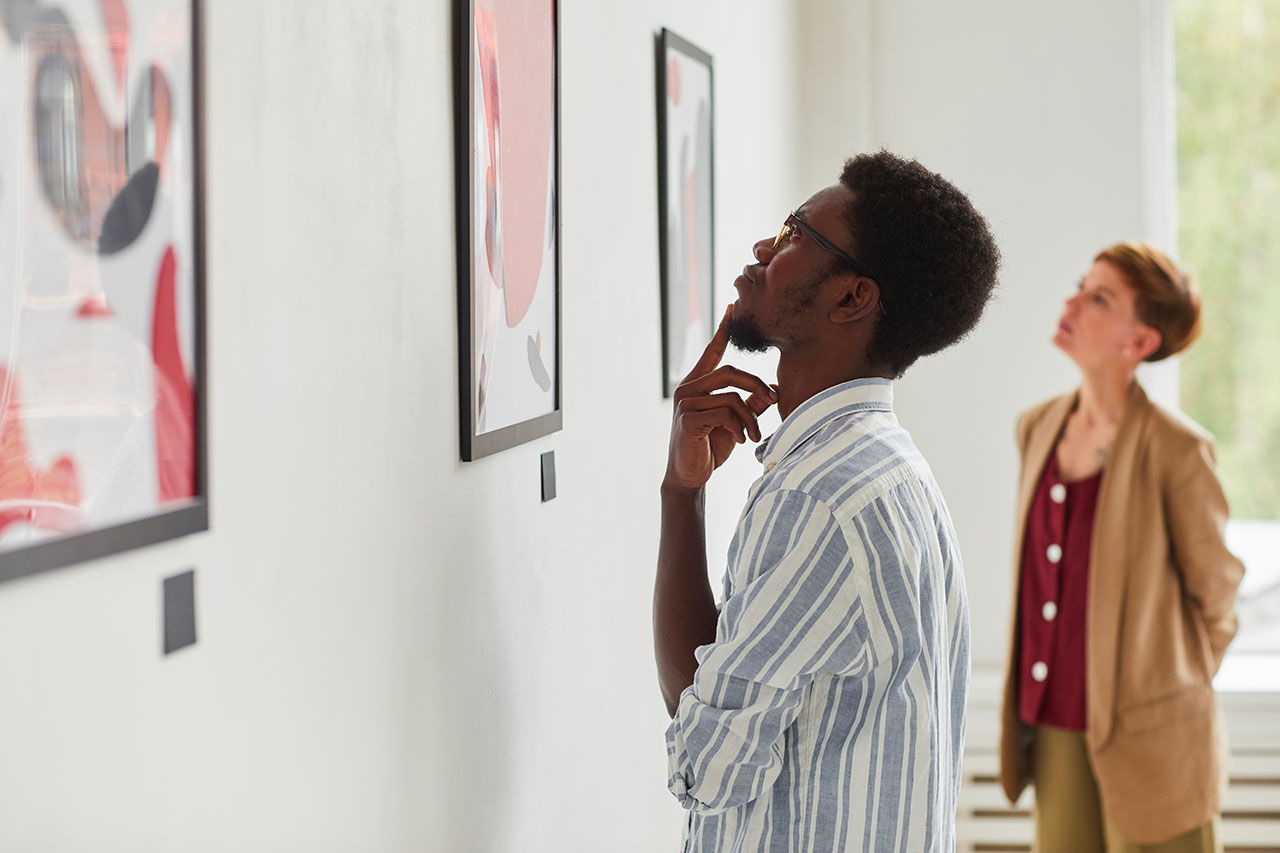
New York, an iconic and vibrant city, is a true paradise for art enthusiasts. For decades, it has been a hub of artistic innovation, attracting creators and visionaries from around the world. Art lovers flock to New York for its world-renowned institutions such as the MoMA, the MET, and the Guggenheim. These museums house impressive collections that tell the history of art through the ages, from classical works to contemporary creations.
However, beyond these iconic monuments, New York is teeming with lesser-known but equally captivating artistic spaces. This guide aims to explore these hidden gems, offering a unique perspective on the city’s diverse and dynamic art scene. From emerging galleries that defy conventions to museums specializing in specific artistic niches, and from alternative spaces to urban art installations, we invite you to discover a more intimate and experimental side of New York art.
We will cover emerging art galleries, specialized museums, alternative art spaces, and urban art, providing practical tips for planning your visits and interacting with local artists.
Emerging art galleries
Definition and importance
Emerging art galleries play a crucial role in New York’s art scene. They serve as a springboard for early-career artists and offer a space for experimentation and innovation. Unlike large established galleries, these smaller, often independent galleries focus on avant-garde contemporary works and lesser-known artists. They are essential for maintaining the vitality and diversity of the city’s artistic ecosystem.
Gallery selection
The Hole
Located in the Bowery neighborhood, this gallery is a must-visit for fans of contemporary art and immersive installations. It regularly features bold and colorful works by artists like Misaki Kawai, Joe Reihsen, and Taylor McKimens.
Lyles & King
In the Lower East Side, this gallery stands out for its focus on experimental art and new media. Exhibitions showcase innovative creations by emerging talents such as Jonathan Lyndon Chase, Becky Kolsrud, and Erin Jane Nelson, offering a stimulating visual and intellectual experience.
White Columns
Situated in the West Village, this is one of New York’s oldest alternative galleries. It is dedicated to promoting emerging artists and curatorial innovations. The works of Mitchell Charbonneau, Sable Elyse Smith, and Diamond Stingily perfectly illustrate the gallery’s commitment to the avant-garde.
Why visit them
These galleries deserve a visit for several reasons. They offer a window into contemporary artistic trends and allow you to discover budding talents. The innovation and diversity of the exhibited works are often more daring and experimental than in more established institutions. Additionally, these galleries create an intimate atmosphere where visitors can often interact directly with artists and curators, enriching their understanding of the works.
Specialized museums
Overview
New York also hosts a variety of specialized museums that focus on specific niches of art. These museums offer unique and in-depth perspectives on different aspects of artistic creation, often overlooked by larger institutions. They may specialize in a particular medium, era, or group of artists, allowing for more targeted and detailed exploration.
Museum selection
Rubin Museum of Art
Located in Chelsea, this museum is dedicated to the art of the Himalayas and Asia. It houses Tibetan sculptures, Tantric paintings, and ritual objects, providing deep insights into Asian spirituality and culture.
Museum of the Moving Image
In Astoria, Queens, this museum focuses on the art and history of cinema, television, and digital media. Its impressive collection includes film costumes, historical cinema equipment, and interactive exhibits that will delight film enthusiasts.
American Folk Art Museum
Situated in Lincoln Square, this museum is devoted to American folk art. Its collections include quilts, sculptures, and works by self-taught artists like Henry Darger, offering a unique perspective on outsider art and popular creativity.
Unique experience
Each specialized museum offers a unique experience that goes beyond merely viewing artworks. The Rubin Museum, for example, features immersive exhibitions exploring Asian spirituality and philosophy. The Museum of the Moving Image allows visitors to interact with exhibits on the history of cinema and television, making learning engaging and fun. The American Folk Art Museum provides fascinating insights into folk and outsider art, highlighting the incredibly creative works of self-taught artists.
Alternative art spaces
Definition
Alternative art spaces encompass a diverse range of non-traditional art venues. This includes pop-up spaces, artist studios, collectives, and temporary installations. These places are often artist-run and serve as platforms for experimental and community projects.
Examples and descriptions
Pioneer works
Located in Red Hook, Brooklyn, this cultural and artistic center hosts temporary exhibitions, artist residencies, and live performances. This dynamic space fosters interaction between artistic and scientific disciplines, creating an environment conducive to innovation and collaboration.
Invisible Dog Art Center
In Boerum Hill, Brooklyn, this contemporary art center organizes multidisciplinary exhibitions, art festivals, and workshops. Housed in a former invisible dog leash factory, this unique space has become a go-to venue for emerging artists and experimental projects.
Knockdown Center
In Maspeth, Queens, this art and performance center offers artistic performances, immersive installations, and concerts. This vast rehabilitated industrial space provides a spectacular setting for various cultural events, attracting an eclectic and curious audience.
Appeal of these places
These spaces offer a refreshing alternative to traditional galleries and museums. Their experimental and community-focused atmosphere encourages interaction and active public participation. Visitors can often witness creative processes in real-time, participate in workshops, and discover works by local artists in a more informal and accessible setting.
Urban Art and public installations
Introduction
Urban art is an integral part of New York’s artistic culture. Entire neighborhoods have transformed into open-air galleries, thanks to vibrant works by graffiti artists, muralists, and street artists. These public works not only beautify the urban environment but also tell stories and express powerful social and political messages.
Key neighborhoods and works
Bushwic k
In Brooklyn, this neighborhood is one of the most dynamic areas for street art. Known for its colorful murals and graffiti, it is home to the Bushwick Collective, a collection of murals created by artists from around the world. Here, you’ll find creations by Blek le Rat, Danielle Mastrion, and Dasic Fernández, transforming walls into large-scale artworks.
Harlem
In Manhattan, this historic neighborhood has a rich tradition of street art reflecting African American culture. Murals celebrating iconic figures like Malcolm X and Nina Simone are powerful examples of community artistic expression. Artists such as Franco Gaskin (Franco the Great), Tats Cru, and Alice Mizrachi have left their indelible marks here.
Lower East Side
In Manhattan, this area features an eclectic mix of urban art, from graffiti to art installations. The Bowery Mural, a constantly evolving mural welcoming renowned artists, is a must-see. Renowned artists like Keith Haring, Shepard Fairey, and JR have contributed, offering a vibrant and dynamic perspective of the city.
Impact and appreciation
Urban art transforms public spaces into platforms for expression and dialogue. It plays a crucial role in revitalizing neighborhoods and creating a unique cultural identity. For visitors, these works offer a lively and dynamic perspective of the city, different from the more formal exhibitions in museums and galleries.
Practical tips for art lovers
Planning visits
To fully enjoy New York’s rich artistic heritage, good planning is essential. Allow enough time for each visit, considering peak hours and potential closures. Using public transportation or rideshare services greatly facilitates travel between different sites. Check the opening and closing times of galleries and museums, and plan accordingly to avoid long waits.
Resources and tools
Several resources can help you organize your visits and discover new art spaces. Apps like Google Arts & Culture, Artland, and See Saw provide valuable information on exhibitions and artists. Websites such as Artforum, Time Out New York, and NYC Arts are also excellent sources to stay updated on art events. Finally, interactive guides and maps of art neighborhoods can direct you to must-see destinations.
Interaction suggestions
Interacting with artists and art communities can enrich your experience. Participating in workshops offered by many galleries and alternative spaces allows you to create your own works and learn directly from artists. Attend openings and events to engage with artists and understand their approaches. Following your favorite galleries and artists on social media is also a great way to stay informed about events and exhibitions and to establish connections with the art community.
This article has guided you through the different facets of New York’s lesser-known art scene. From emerging galleries to specialized museums, alternative spaces, and urban art, each venue offers a unique and enriching experience. We encourage you to step off the beaten path and explore these hidden treasures.